Bitcoin vs. Ethereum vs. Altcoins: Allocation Strategies for Portuguese Investors
Reading time: 12 minutes
Ever stared at your computer screen wondering whether to put your euros into Bitcoin, Ethereum, or that promising altcoin your neighbor keeps talking about? You’re not alone. With Portugal’s crypto-friendly tax environment and growing digital asset adoption, Portuguese investors face both unprecedented opportunities and complex allocation decisions.
Here’s the straight talk: Smart crypto allocation isn’t about following the latest Twitter hype—it’s about understanding each asset’s unique value proposition and aligning your portfolio with both global trends and Portugal’s specific regulatory landscape.
Table of Contents
- Understanding the Big Three: Bitcoin, Ethereum, and Altcoins
- The Portuguese Crypto Context
- Strategic Allocation Frameworks
- Risk Management for Portuguese Portfolios
- Implementation Strategies
- Frequently Asked Questions
Understanding the Big Three: Bitcoin, Ethereum, and Altcoins
Bitcoin: The Digital Gold Standard
Think of Bitcoin as the Warren Buffett of cryptocurrency—predictable, reliable, and increasingly institutional. With a market cap exceeding €800 billion, Bitcoin has evolved from a speculative experiment into what many consider a legitimate store of value.
Key characteristics for Portuguese investors:
- Liquidity: Easiest to buy and sell across Portuguese exchanges like Coinbase Pro and Kraken
- Volatility: Still significant, but lower than most altcoins (30-day volatility around 60-80%)
- Institutional adoption: Major companies like MicroStrategy and Tesla hold Bitcoin on their balance sheets
Real scenario: Maria, a Lisbon-based financial advisor, allocated 5% of her clients’ portfolios to Bitcoin in 2021. Despite market turbulence, this allocation provided diversification benefits during periods of euro weakness and inflation concerns.
Ethereum: The Smart Contract Powerhouse
Ethereum isn’t just a cryptocurrency—it’s an entire economic ecosystem. While Bitcoin aims to be digital money, Ethereum wants to be the operating system for decentralized applications.
Investment considerations:
- Use cases: DeFi, NFTs, smart contracts, and upcoming Web3 applications
- Technical upgrades: The transition to Ethereum 2.0 has improved energy efficiency by 99%
- Developer activity: Consistently ranks #1 in blockchain developer activity globally
Altcoins: The Wild West of Innovation
Altcoins represent everything from Solana’s high-speed transactions to Chainlink’s oracle services. For Portuguese investors, they offer both the highest potential returns and the steepest risks.
Categories worth considering:
- Layer 1 blockchains: Solana, Avalanche, Cardano
- DeFi protocols: Uniswap, Aave, Compound
- Infrastructure tokens: Chainlink, The Graph, Filecoin
The Portuguese Crypto Context
Tax Advantages That Matter
Portugal’s tax treatment of cryptocurrencies offers significant advantages for long-term investors. Individual investors typically don’t pay capital gains tax on crypto holdings unless trading is considered a professional activity.
Key tax considerations:
- Hobby vs. profession: Occasional trading remains tax-free for individuals
- Staking rewards: Generally treated as income and taxed accordingly
- Record keeping: Essential for demonstrating non-professional activity
Local Infrastructure and Exchanges
Portuguese investors have access to both international platforms and growing local infrastructure. Banco de Portugal has provided clear guidance on crypto regulations, creating a stable environment for investment decisions.
Portugal Crypto Adoption Metrics
156 nationwide
11% ownership rate
15+ major platforms
High (8.5/10 rating)
Strategic Allocation Frameworks
The Conservative Portuguese Portfolio (5-10% crypto allocation)
Perfect for investors approaching retirement or those prioritizing capital preservation while gaining crypto exposure.
| Asset | Allocation % | Rationale | Risk Level |
|---|---|---|---|
| Bitcoin | 60% | Store of value, highest liquidity | Medium |
| Ethereum | 30% | Utility value, ecosystem growth | Medium-High |
| Top-10 Altcoins | 10% | Diversification, innovation exposure | High |
| Speculative Altcoins | 0% | Risk management priority | N/A |
The Balanced Growth Strategy (10-25% crypto allocation)
Real example: João, a 35-year-old software engineer from Porto, implemented this strategy in 2022. His approach combined systematic DCA (dollar-cost averaging) with tactical rebalancing during major market movements, resulting in better risk-adjusted returns than pure buy-and-hold strategies.
Key components:
- Bitcoin (40%): Foundation layer for stability
- Ethereum (35%): Growth engine with utility backing
- Large-cap altcoins (20%): Solana, Cardano, Polygon for diversification
- Experimental positions (5%): Emerging DeFi or Web3 projects
The Aggressive Innovation Portfolio (25%+ crypto allocation)
Suitable for younger investors or those with high risk tolerance and strong conviction in crypto’s long-term potential.
Warning: This strategy requires active monitoring and deep research capabilities. Portuguese investors should consider their time availability and expertise before pursuing aggressive allocations.
Risk Management for Portuguese Portfolios
Volatility: Your Biggest Challenge
Crypto volatility can be stomach-churning. Bitcoin’s 30-day volatility often exceeds 60%, while altcoins can swing 20-30% in a single day. For Portuguese investors accustomed to stable euro-denominated assets, this presents both opportunities and risks.
Practical volatility management:
- Position sizing: Never allocate more than you can afford to lose completely
- Time horizon: Maintain minimum 3-5 year investment timeframes
- Emotional discipline: Set clear rules for rebalancing and stick to them
Regulatory Risk Considerations
While Portugal maintains crypto-friendly policies, EU-wide regulations like MiCA (Markets in Crypto-Assets) will impact future investment landscapes. Stay informed about:
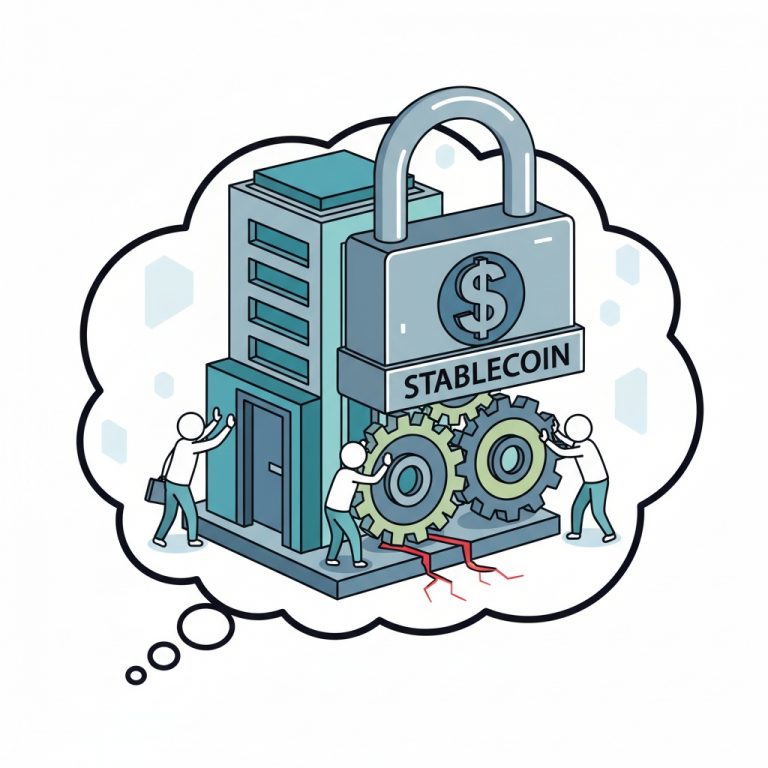
- Stablecoin regulations: Potential restrictions on certain stable assets
- Exchange requirements: Enhanced KYC and reporting obligations
- Tax policy changes: Possible future adjustments to current favorable treatment
Implementation Strategies
Exchange Selection for Portuguese Investors
Tier 1 options: Coinbase Pro, Kraken, and Binance offer the best combination of security, liquidity, and asset selection for Portuguese users. All provide SEPA transfers for easy euro deposits.
Key evaluation criteria:
- Regulatory compliance: EU-licensed operations
- Security features: Cold storage, insurance coverage
- Fee structures: Trading fees, withdrawal costs, spread analysis
- Asset availability: Coverage of your target allocation
Dollar-Cost Averaging vs. Lump Sum Strategies
Case study: Ana, a marketing director from Coimbra, compared two approaches over 24 months. DCA with monthly €500 purchases resulted in a 15% better average entry price compared to her initial lump-sum consideration, despite missing some of the lowest market points.
DCA advantages for Portuguese investors:
- Emotional ease: Reduces stress of timing decisions
- Cash flow alignment: Matches monthly salary patterns
- Volatility averaging: Smooths out price fluctuations over time
Security and Storage Solutions
For allocations above €5,000, consider hardware wallets like Ledger or Trezor. Portuguese investors should prioritize:
- Multi-signature setups: For larger holdings
- Geographic distribution: Store backup seeds in separate secure locations
- Estate planning: Ensure family members can access funds if needed
Frequently Asked Questions
How much should Portuguese investors allocate to crypto in 2025?
Most financial advisors recommend starting with 5-10% of your investment portfolio for conservative investors, potentially increasing to 15-25% for those comfortable with higher risk. Given Portugal’s favorable tax environment, you have more flexibility than investors in many other EU countries. However, never allocate more than you can afford to lose completely, and ensure your traditional investments (stocks, bonds, real estate) form your portfolio’s foundation.
Which Portuguese banks are crypto-friendly for large transactions?
Banco Santander and Millennium BCP generally accommodate crypto exchange transactions without issues, though they may require additional documentation for transfers above €10,000. CGD has been more conservative but has recently become more accommodating. Always inform your bank about planned crypto activities to avoid account freezes, and maintain detailed transaction records for tax purposes.
Should Portuguese investors focus on Euro-denominated crypto products or direct holdings?
Direct holdings offer better control and align with Portugal’s favorable individual tax treatment, but Euro-denominated ETFs and investment products may become more attractive as EU regulations clarify. For allocations above €50,000, consider splitting between direct holdings (for tax efficiency) and regulated products (for institutional oversight). The key is maintaining flexibility as the regulatory landscape evolves while maximizing Portugal’s current tax advantages.
Your Portfolio’s Digital Future
The crypto allocation decision isn’t just about choosing between Bitcoin, Ethereum, and altcoins—it’s about positioning your portfolio for a financial system that’s rapidly evolving. Portuguese investors have a unique advantage: regulatory clarity, tax benefits, and access to global markets.
Your next steps:
- Define your risk tolerance and investment timeline clearly
- Start small with Bitcoin and Ethereum before exploring altcoins
- Implement systematic DCA to smooth volatility impact
- Secure your holdings with appropriate storage solutions
- Stay informed about regulatory changes and market developments
Remember: successful crypto investing isn’t about predicting the next moonshot—it’s about building a resilient allocation strategy that aligns with both global innovation trends and Portugal’s evolving financial landscape.
As digital assets mature from speculative experiments to institutional portfolio components, Portuguese investors who thoughtfully balance innovation with prudent risk management will be best positioned for the decade ahead. What percentage of your portfolio are you ready to allocate to the future of finance?

Artigo revisto por Alessandro Conti, Especialista em resolução e reestruturação bancária, em December 12, 2025