Crypto Regulations 2025: What Investors Need to Know
Reading time: 12 minutes
Ever felt like the crypto regulatory landscape changes faster than Bitcoin’s price swings? You’re not imagining it. As we navigate 2025, the rules governing digital assets have evolved from Wild West chaos into a structured—though still complex—framework that every investor must understand.
Let’s cut through the noise and focus on what actually matters for your portfolio.
Table of Contents
- The 2025 Regulatory Landscape: Major Shifts
- What Investors Must Do to Stay Compliant
- Tax Implications You Can’t Ignore
- Regional Regulatory Differences
- Overcoming Common Compliance Challenges
- Your Strategic Compliance Roadmap
- Frequently Asked Questions
The 2025 Regulatory Landscape: Major Shifts
Well, here’s the straight talk: 2025 marks a watershed moment for crypto regulation. The frameworks that seemed uncertain just two years ago have crystallized into enforceable requirements with real consequences.
What Changed and Why It Matters
The Markets in Crypto-Assets Regulation (MiCA) in the European Union went into full effect in January 2025, creating the world’s most comprehensive crypto rulebook. Meanwhile, the U.S. Securities and Exchange Commission finalized its Digital Asset Framework, providing clarity on which tokens qualify as securities.
Key regulatory developments:
- Mandatory licensing for crypto exchanges and custodians
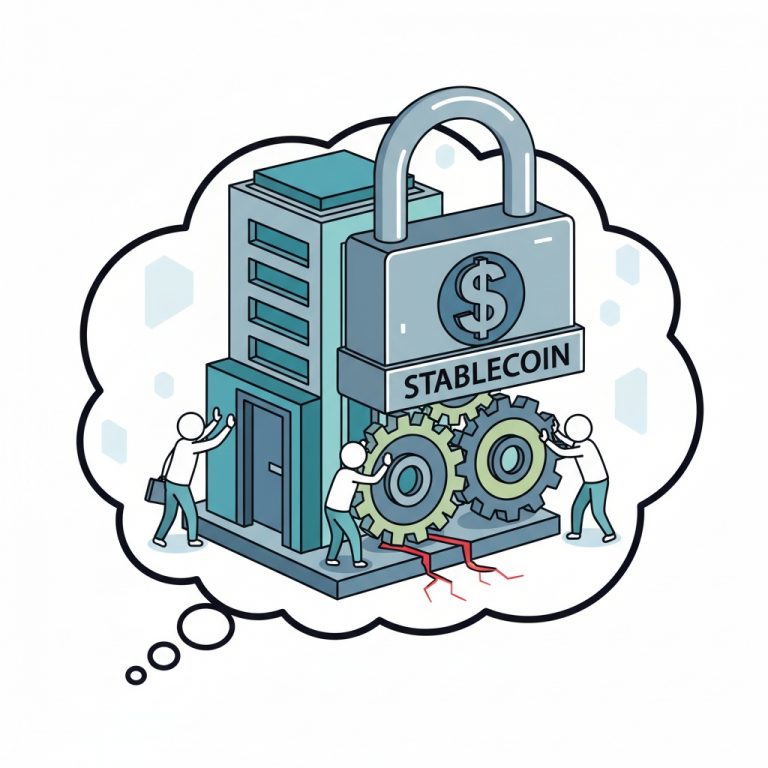
- Strict stablecoin reserve requirements (100% backing with monthly audits)
- Enhanced KYC/AML protocols across all jurisdictions
- Clear classification systems for different token types
- Consumer protection standards for retail investors
According to PwC’s 2025 Global Crypto Regulation Report, 89% of major economies now have established regulatory frameworks, compared to just 42% in 2023. This rapid standardization means ignorance is no longer an excuse.
The Three-Tier Token Classification System
Most jurisdictions now categorize digital assets into three main buckets:
Payment Tokens: Digital currencies primarily used for transactions (like Bitcoin in many contexts). These face lighter regulation but still require exchange compliance.
Security Tokens: Assets representing ownership, equity, or debt. These face the strictest oversight, equivalent to traditional securities regulation.
Utility Tokens: Tokens providing access to specific products or services. Regulation varies based on their actual use case and how they’re marketed.
Understanding where your holdings fall isn’t academic—it determines your reporting requirements, tax treatment, and legal obligations.
What Investors Must Do to Stay Compliant
Quick Scenario: Imagine you’ve been holding crypto since 2021, trading occasionally across three different exchanges. What do you actually need to do right now?
Essential Documentation Requirements
Every crypto investor in 2025 needs to maintain detailed records including:
- Transaction logs: Date, time, amount, counterparty, and purpose of every trade or transfer
- Cost basis tracking: Purchase price, fees, and associated costs for tax calculations
- Wallet addresses: Comprehensive list linking all your addresses to your identity
- Exchange statements: Monthly or quarterly statements from all platforms used
- Proof of source: Documentation showing where your crypto originally came from
Pro Tip: The right preparation isn’t just about avoiding problems—it’s about creating audit-proof documentation that protects you if questions arise years later.
Verification and Identity Standards
Gone are the days of anonymous crypto trading. In 2025, every regulated exchange requires:
Enhanced KYC verification: Government-issued ID, proof of address, facial recognition, and in some cases, source of funds documentation for deposits over $10,000.
Ongoing monitoring: Exchanges now continuously screen transactions against sanctions lists and flag suspicious patterns. A sudden large deposit or unusual trading behavior triggers automated reviews.
Real-world example: Sarah, a freelance developer, received payment in USDC from a client. When she moved $25,000 to her exchange account, it was frozen for 72 hours while compliance reviewed the transaction. She needed to provide her freelance contract and communication with the client to unlock her funds. This is now standard procedure, not an exception.
Tax Implications You Can’t Ignore
Let’s dive deep into what catches most investors off-guard: the tax complexity.
The Capital Gains Reality
In most jurisdictions, every crypto transaction is a taxable event. Trading Bitcoin for Ethereum? Taxable. Using crypto to buy coffee? Technically taxable (though enforcement varies).
2025 Crypto Tax Rates Comparison (Selected Jurisdictions)
0-37%
26%
0%
10-20%
Reporting Requirements That Catch People Off-Guard
Staking rewards: Taxed as income when received, then subject to capital gains when sold. Many investors miss the income component.
DeFi transactions: Providing liquidity, yield farming, and receiving governance tokens all create taxable events. The IRS and international equivalents are increasingly scrutinizing DeFi activity.
NFT sales: Treated as collectibles in many jurisdictions, potentially facing higher tax rates than other crypto assets.
Case study: Michael made $180,000 trading altcoins in 2025 but didn’t realize each of his 300+ trades was a separate taxable event. He used FIFO accounting by default, which maximized his tax liability. By switching to specific identification and properly documenting his transactions, his tax bill decreased by $23,000. But it required reconstructing every trade—a nightmare he could have avoided with proper tracking from the start.
Strategic Tax Planning for Crypto Investors
- Loss harvesting: Selling losing positions to offset gains remains legal and effective in most jurisdictions
- Holding periods: Long-term capital gains rates typically apply after 12 months—plan accordingly
- Jurisdiction shopping: Some investors are relocating to crypto-friendly tax havens (though this comes with significant complexity)
- Professional consultation: The average cost of crypto-specialized tax preparation ($500-$2,000) pales compared to penalties for errors
Regional Regulatory Differences
Ready to transform complexity into competitive advantage? Understanding geographic nuances can help you structure investments optimally.
United States: The Patchwork Approach
The U.S. maintains a multi-agency regulatory structure that confuses even experienced investors. The SEC handles securities, the CFTC oversees commodities, FinCEN enforces anti-money laundering rules, and individual states add their own requirements.
What this means for you: Your exchange must comply with federal regulations AND hold a money transmitter license in every state where it operates. Always verify your platform’s registration status.
The 2025 Digital Asset Framework clarified that Bitcoin and Ethereum are commodities, while most ICO tokens and many DeFi governance tokens qualify as securities. This matters because securities require registration or exemption, and trading them on non-compliant platforms creates legal risk.
European Union: The MiCA Standard
MiCA (Markets in Crypto-Assets Regulation) created the world’s most comprehensive crypto framework, covering:
- Authorization requirements for crypto service providers
- Transparency obligations for token issuers
- Consumer protection rules
- Market abuse prevention
- Environmental disclosures for proof-of-work cryptocurrencies
The regulation applies to any company offering services to EU residents, regardless of where the company is based. This extraterritorial reach means international platforms serving European users must comply with MiCA standards.
Asia-Pacific: The Spectrum of Approaches
| Country | Regulatory Stance | Key Requirements | Tax Treatment |
|---|---|---|---|
| Singapore | Progressive, innovation-friendly | MAS licensing for exchanges, strict AML | Capital gains exempt for long-term |
| Japan | Highly regulated, established framework | FSA registration, customer asset segregation | Up to 55% on gains |
| China | Restrictive, trading banned | No domestic exchanges allowed | N/A for individuals |
| South Korea | Regulated with strong oversight | Real-name verification, reporting requirements | 20% tax on gains over ~$2,100 |
| Australia | Balanced approach, clear guidelines | AUSTRAC registration, AML compliance | Capital gains tax applies |
Overcoming Common Compliance Challenges
Challenge #1: Tracking Transactions Across Multiple Platforms
The average crypto investor uses 2.7 different exchanges and wallets, according to a 2025 Chainalysis study. Consolidating this data for tax reporting and compliance becomes exponentially complex.
Solution: Implement crypto portfolio tracking software from day one. Services like CoinTracker, Koinly, or TokenTax automatically import transactions from major exchanges and generate tax reports. The $100-300 annual cost is negligible compared to the hours saved and accuracy gained.
Manual alternative: If you prefer self-tracking, maintain a spreadsheet with these columns: Date, Transaction Type, Platform, Sending Currency, Sending Amount, Receiving Currency, Receiving Amount, Fees, USD Value at Time of Transaction, and Notes. Update it weekly, not annually.
Challenge #2: Understanding Which Rules Apply to You
Jurisdiction determination isn’t always obvious. Are you governed by where you live, where your exchange is based, or where transactions occur?
The general principle: You’re subject to regulations in your country of tax residency, regardless of where your exchanges operate. However, exchanges must also comply with regulations in jurisdictions where they offer services.
Practical example: A U.S. citizen living in Portugal using a Bahamian exchange to trade crypto faces U.S. tax obligations (as U.S. citizens are taxed on worldwide income), must follow Portuguese financial reporting rules (as a tax resident), and relies on the exchange’s compliance with Bahamian regulations for platform security.
Action step: Identify your tax residency, confirm your exchange operates legally in that jurisdiction, and understand both sets of obligations. When in doubt, consult with a tax professional familiar with international crypto regulations.
Challenge #3: Dealing with Regulatory Uncertainty in DeFi
Decentralized finance operates in a regulatory gray zone. No central entity controls these protocols, making traditional compliance frameworks difficult to apply.
However, 2025 brought increased clarity: regulators generally focus on the interface providers (like Uniswap’s website) and the token issuers rather than individual users. But users aren’t entirely off the hook—you’re still responsible for reporting gains and complying with tax laws.
Risk mitigation strategies:
- Document all DeFi transactions meticulously, including gas fees
- Avoid protocols under regulatory investigation or sanctions
- Consider using protocols that have obtained legal opinions on their regulatory status
- Be prepared for rules to tighten—what’s permissible today may not be tomorrow
- Calculate and set aside estimated taxes on DeFi earnings quarterly
Your Strategic Compliance Roadmap
Let’s turn potential challenges into strategic opportunities with a concrete action plan.
Immediate Actions (Next 7 Days)
1. Audit Your Current Holdings
Create a comprehensive inventory of every crypto asset you own, including the platform or wallet where it’s held, approximate cost basis, and current value. This baseline assessment is critical for everything that follows.
2. Verify Exchange Compliance Status
Check whether your exchanges hold proper licenses in your jurisdiction. In the U.S., verify they’re registered with FinCEN as money service businesses. In the EU, confirm MiCA compliance. Red flags include exchanges that don’t require KYC or operate anonymously.
3. Set Up Transaction Tracking
Choose and implement a portfolio tracking solution. Connect your exchange accounts via API (using read-only permissions) or plan a manual data import. Starting now prevents the nightmare of reconstructing months or years of transactions later.
Short-Term Implementation (Next 30 Days)
4. Review and Organize Historical Records
Download transaction histories from all platforms you’ve used. Many exchanges only retain detailed records for 1-2 years, so historical data becomes increasingly difficult to retrieve. Export everything in CSV format and back it up in multiple locations.
5. Understand Your Tax Obligations
Research the specific crypto tax rules in your jurisdiction or schedule a consultation with a crypto-specialized accountant. Key questions to answer: What’s my effective tax rate on crypto gains? How are staking rewards treated? Can I deduct trading losses? What’s the reporting threshold?
6. Implement a Documentation System
Develop a process for ongoing record-keeping. This might mean weekly exports from your tracking software, monthly reconciliation against exchange statements, or quarterly tax estimate calculations. Consistency matters more than perfection.
Long-Term Strategic Positioning (Next 90 Days and Beyond)
7. Optimize Your Tax Strategy
With complete records established, explore legitimate optimization opportunities. This might include tax-loss harvesting before year-end, timing sales to take advantage of long-term capital gains rates, or restructuring how you hold assets if you qualify for beneficial treatment.
8. Stay Informed on Regulatory Changes
Crypto regulation evolves rapidly. Subscribe to regulatory updates from sources like the SEC, your local financial regulator, and reputable crypto law firms. Major platforms also communicate regulatory changes to users—actually read those emails.
9. Consider Professional Guidance
If your crypto holdings exceed $50,000 or you actively trade, professional tax and legal guidance typically pays for itself through optimization and risk reduction. Interview specialists who work specifically with crypto clients and understand the technical nuances.
Expert Perspective: What’s Coming Next
According to Katherine Foster, regulatory consultant at Blockchain Policy Institute: “The 2025 landscape represents stability compared to previous years, but investors should anticipate continued evolution around three key areas: cross-border transaction monitoring, DeFi protocol accountability, and environmental compliance for proof-of-work assets.”
This means the fundamentals established now—good record-keeping, compliant platforms, proper tax reporting—create a foundation that adapts as specific rules evolve. Think of compliance not as a one-time checklist but as an ongoing practice integral to successful crypto investing.
Your Personal Compliance Scorecard
Ask yourself these questions honestly:
- ✓ Can you produce complete transaction records for the past 3 years within 24 hours?
- ✓ Do you know the legal classification (payment, security, or utility) of your top 5 holdings?
- ✓ Have you verified all your exchanges are properly licensed in your jurisdiction?
- ✓ Are you tracking cost basis accurately for every acquisition?
- ✓ Do you have a system for calculating and reporting taxes on staking, DeFi, and trading activity?
If you answered “no” to any of these, that’s your immediate priority. The regulatory environment of 2025 doesn’t forgive ignorance, but it does reward proactive compliance with peace of mind and long-term portfolio security.
The intersection of emerging technology and evolving regulation creates both challenge and opportunity. Those who navigate this landscape strategically—treating compliance as competitive advantage rather than burden—position themselves for sustainable success regardless of how rules continue to evolve.
What’s your next move? Whether you’re reassessing your current approach or building a compliant foundation from scratch, the time you invest now in understanding and implementing these frameworks will compound in value far beyond any single trade or investment decision.
Frequently Asked Questions
Do I need to report crypto holdings if I’m just holding without selling?
It depends on your jurisdiction and the amount you hold. In the United States, simply holding crypto doesn’t create a taxable event or require reporting unless you’re filing certain international financial account forms (like FBAR) if your holdings exceed specific thresholds. However, many countries require disclosure of crypto assets above certain values on annual tax returns or wealth declarations, even if you haven’t sold. The EU’s MiCA framework is moving toward mandatory reporting of holdings above €10,000. Check your local requirements specifically, as “just holding” isn’t universally exempt from reporting obligations.
What happens if I used a non-compliant exchange in previous years?
Using a non-compliant exchange doesn’t automatically make you liable for penalties, but it complicates your situation. Your primary obligation remains reporting income and paying taxes on any gains. If you’ve underreported due to poor record-keeping from non-compliant platforms, most tax authorities offer voluntary disclosure programs where you can come forward, pay back taxes plus interest, and potentially avoid criminal penalties. Document whatever records you have, reconstruct transactions using blockchain explorers if necessary, and consider consulting a tax attorney if significant amounts are involved. The key is addressing it proactively rather than waiting for authorities to discover discrepancies.
How do regulatory changes affect crypto already purchased under different rules?
Generally, regulatory changes don’t retroactively change the tax or legal treatment of past transactions—you’re evaluated based on rules that existed when transactions occurred. However, new regulations often affect what you can do with those holdings going forward. For example, if a token is newly classified as a security, you might face restrictions on where you can trade it, even though buying it previously was permissible. Your cost basis and holding period remain unchanged, but reporting requirements or available trading venues may shift. This is why maintaining thorough historical records is crucial—you may need to prove when and how you acquired assets to grandfather them under previous rules.

Artigo revisto por Alessandro Conti, Especialista em resolução e reestruturação bancária, em November 13, 2025